

As a supplier of raw bun steamers, I understand the importance of optimizing the steaming process to ensure that the buns come out perfectly every time. In this blog post, I'll share some valuable insights and practical tips on how to achieve this goal, which will not only enhance the quality of your steamed buns but also improve the efficiency of your business operations.
Understanding the Basics of the Steaming Process
Before delving into optimization strategies, it's crucial to understand the fundamental principles of the steaming process. Steaming is a method of cooking that uses steam to transfer heat to the food. When it comes to raw buns, the steam penetrates the dough, causing it to expand and cook from the inside out. The key factors that influence the steaming process include temperature, time, steam quality, and the design of the steamer.
Selecting the Right Steamer
The first step in optimizing the steaming process is to choose the right raw bun steamer for your needs. Our company offers a variety of steamers, each designed to meet different requirements. For instance, the Gas and Electronic Double Row Raw Bun Steamer is an excellent choice for high - volume production. It combines the advantages of gas and electronic heating, providing fast and even heating. The double - row design allows you to steam a large number of buns simultaneously, saving time and energy.
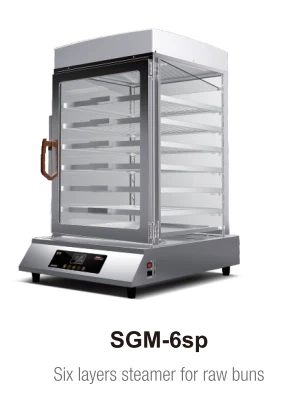
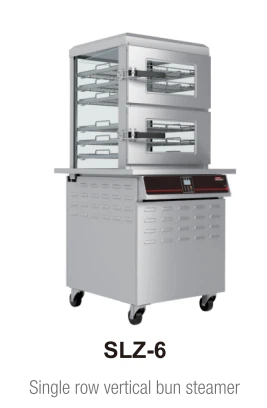
If you have limited space but still need to produce a significant quantity of buns, the Six Layers Raw Bun Steamer is a great option. Its multi - layer design maximizes the use of vertical space, enabling you to steam more buns in a smaller footprint.
For those looking for a more versatile option, the A Type Gas and Electronic Steam Raw Bun Making Machine is a top - of - the - line choice. It not only steams the buns but also offers additional functions for making the raw buns, streamlining the entire production process.
Preparing the Buns Properly
Proper preparation of the raw buns is essential for a successful steaming process. Here are some tips:
- Dough Kneading: Ensure that the dough is kneaded thoroughly to develop a good gluten network. This will help the buns hold their shape during steaming and result in a soft and elastic texture.
- Proofing: Allow the buns to proof properly before steaming. Proofing is the process of letting the dough rise, which is crucial for the texture and flavor of the buns. The ideal proofing temperature is around 30 - 35°C (86 - 95°F), and the relative humidity should be around 80 - 85%.
- Spacing: Place the buns with enough space between them in the steamer. This allows the steam to circulate freely around each bun, ensuring even cooking.
Controlling the Temperature and Time
Temperature and time are two critical factors in the steaming process.
- Temperature: The optimal steaming temperature for raw buns is typically between 95 - 100°C (203 - 212°F). Maintaining a consistent temperature is crucial. Our steamers are equipped with advanced temperature control systems that can accurately regulate the temperature, ensuring that the buns are steamed at the right heat level.
- Time: The steaming time depends on the size and type of the buns. Generally, small buns may take around 10 - 15 minutes, while larger buns may require 15 - 20 minutes. Over - steaming can cause the buns to become dry and tough, while under - steaming will result in uncooked centers.
Ensuring Good Steam Quality
The quality of the steam also plays a vital role in the steaming process.
- Water Quality: Use clean and filtered water in the steamer. Impurities in the water can affect the taste and appearance of the buns and may also cause scale buildup in the steamer, reducing its efficiency and lifespan.
- Steam Generation: Our steamers are designed to generate high - quality steam quickly and efficiently. The advanced heating elements ensure that the water is heated rapidly, producing a large amount of steam in a short time.
Maintaining the Steamer
Regular maintenance of the raw bun steamer is necessary to ensure its optimal performance.
- Cleaning: After each use, clean the steamer thoroughly. Remove any food residues, and wipe the interior and exterior of the steamer with a damp cloth. Periodically, disassemble the parts that can be removed and clean them more thoroughly.
- Inspection: Regularly inspect the steamer for any signs of wear and tear, such as leaks, damaged heating elements, or faulty controls. Replace any damaged parts promptly to prevent further problems.
Monitoring and Adjusting the Process
Even with the best equipment and preparation, it's important to monitor the steaming process. Check the buns periodically during steaming to ensure that they are cooking evenly. If you notice any issues, such as uneven coloring or under - cooked areas, adjust the temperature, time, or the position of the buns in the steamer accordingly.
Training Your Staff
If you have a team working with the raw bun steamer, proper training is essential. Make sure that your staff understands the correct operation of the steamer, including how to set the temperature, load the buns, and maintain the equipment. Well - trained staff can help optimize the steaming process and ensure consistent quality.
Conclusion
Optimizing the steaming process of a raw bun steamer is a multi - faceted task that involves selecting the right equipment, preparing the buns properly, controlling the temperature and time, ensuring good steam quality, maintaining the steamer, and monitoring the process. By following these tips, you can produce high - quality steamed buns consistently, improve the efficiency of your business, and increase customer satisfaction.
If you are interested in our raw bun steamers or have any questions about optimizing the steaming process, we welcome you to contact us for further discussion and potential procurement. We are committed to providing you with the best products and services to meet your business needs.
References
- "Food Science and Technology" by Fennema, Owen R.
- "Bakery Technology and Engineering" by Walker, Colin E.